Proof of Progress: What it takes to turn a SME transition plan into action
September 30, 2026
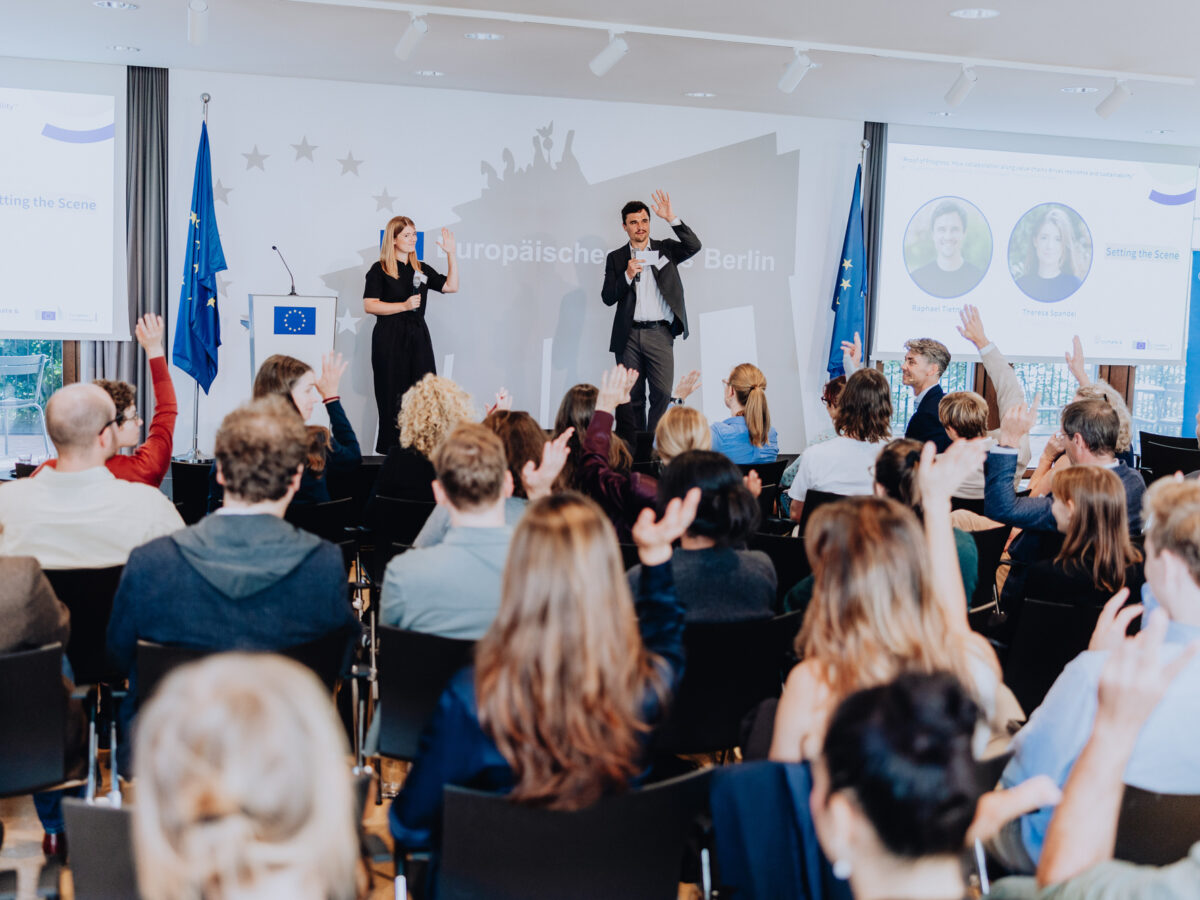
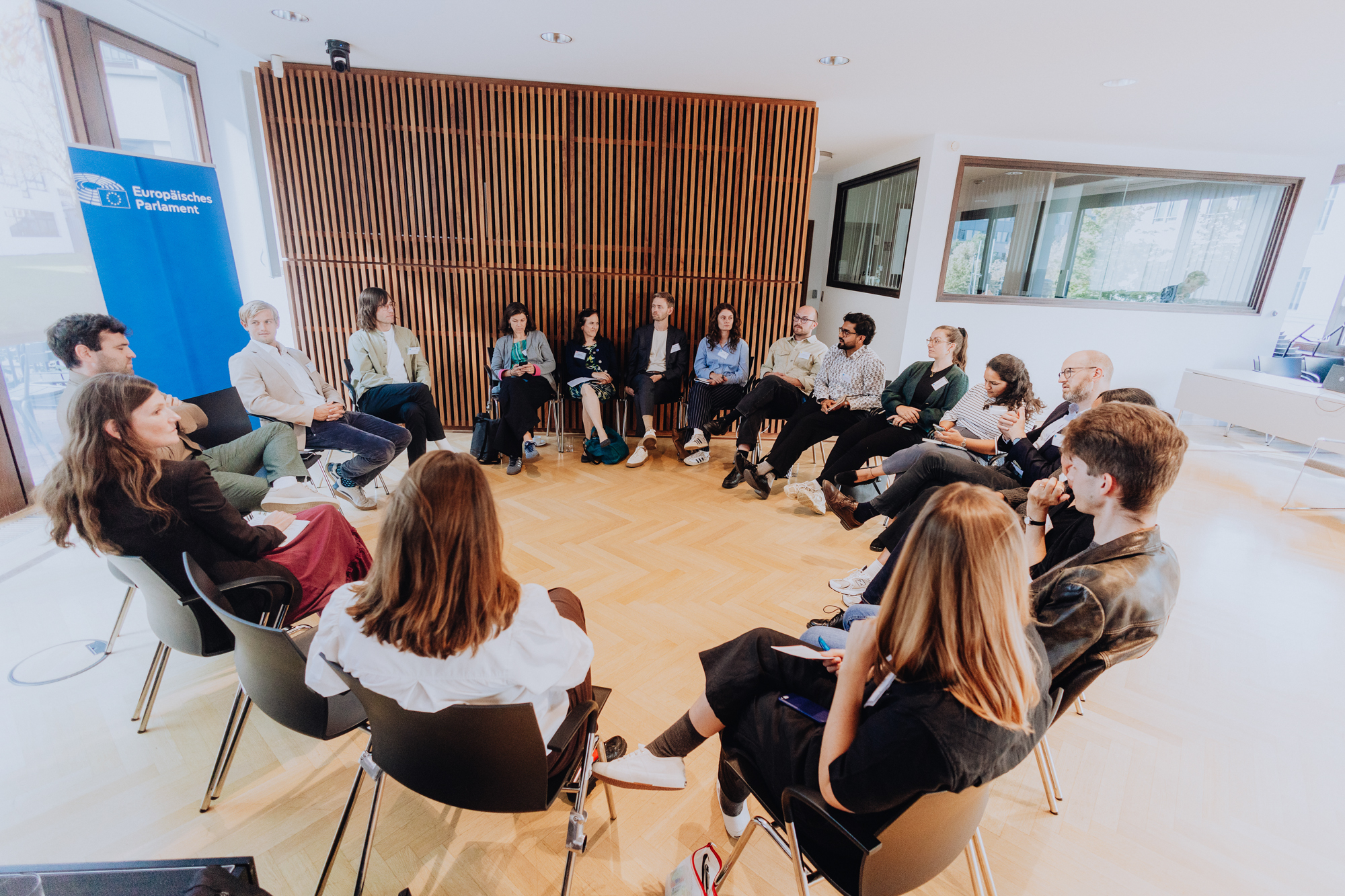
On 14 September 2026, practitioners from companies, banks, philanthropy, civil society, policy and research came together in Berlin, cohosted by Climate & Company and the Representation of the European Commission. The event closed two pilot projects: Making Sustainable Finance Work in Germany and Champions of Sustainability Reporting, funded by Stiftung Mercator and the Deutsche Bundesstiftung Umwelt (DBU). Discussions centred on three themes: concrete success stories of frontrunners, the route from transition plans to financing, and workforce development as the layer where strategy becomes execution. Here’s the central findings:
Success does not happen in the ESG team alone
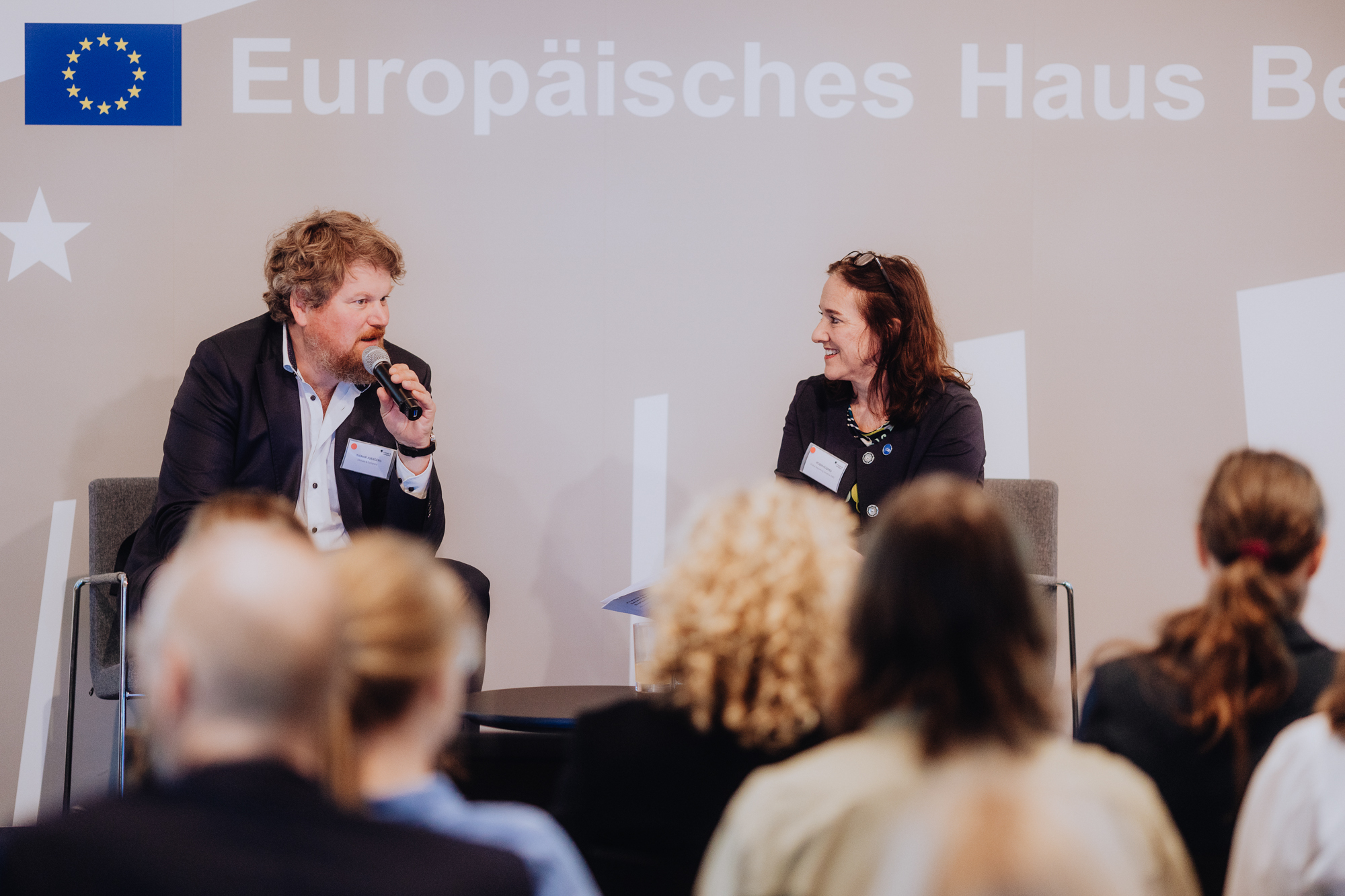
Gyde Wollesen of followfood set the tone in her keynote. The success of a green transition does not happen in the ESG team alone; it happens across the company and in collaboration with suppliers and financial institutions: “The challenges ahead are simply too big and too complex to tackle alone.” That echoed the opening words of Rina Veenhues of Stiftung Mercator, who stressed how much it matters to understand and respect the different motivations people bring to climate action.
Sustainability risk is here to stay
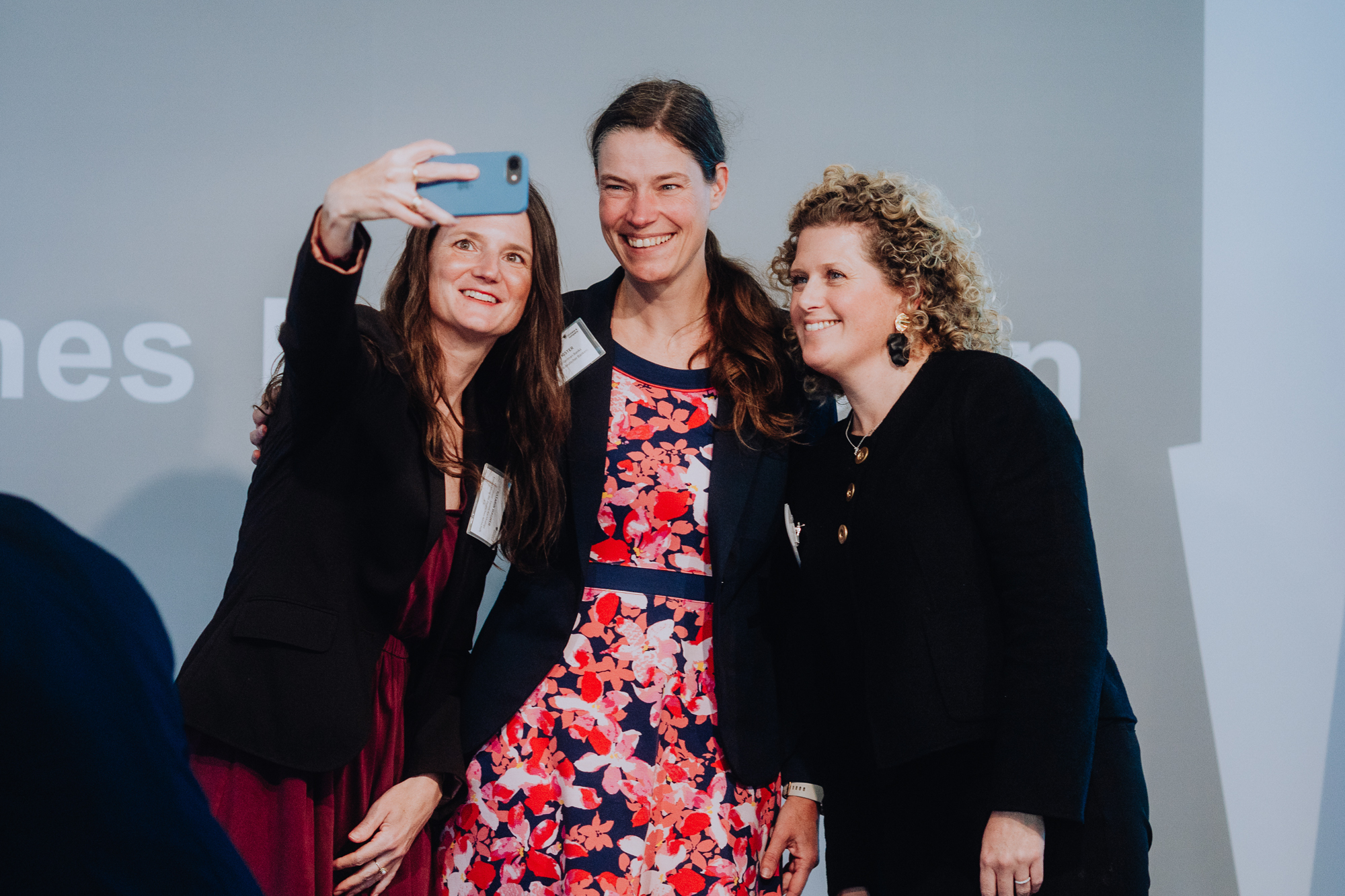
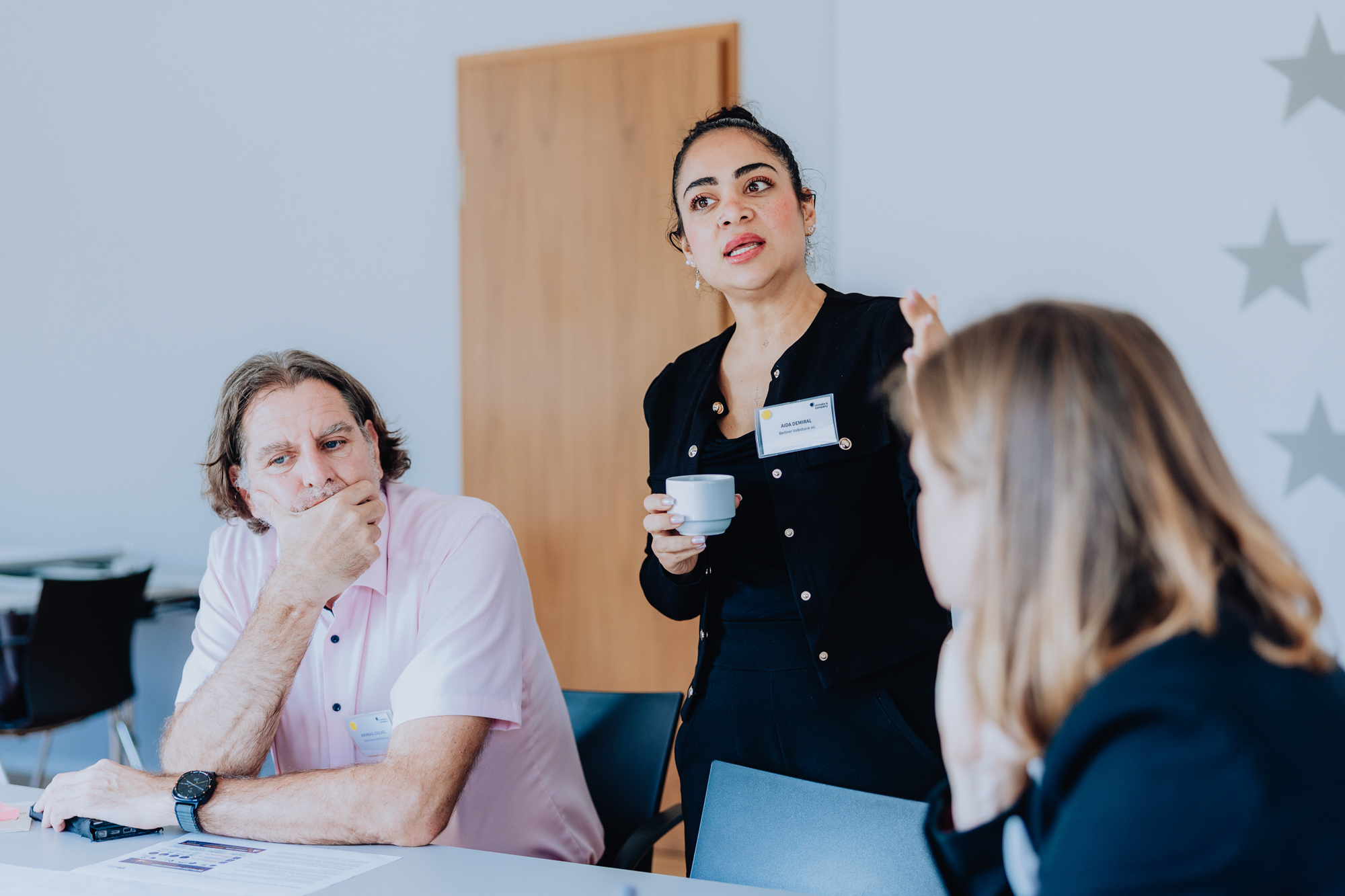
Claudia Kister and Berliner Volksbank highlighted an important shift during the event: ESG considerations are increasingly becoming part of how banks assess the future resilience and competitiveness of a business. This is particularly relevant for SMEs, many of which are still struggling to systematically assess their exposure to critical supply chains. The question of whether a company understands how sustainability-related changes could affect its business model is therefore becoming increasingly relevant. Yet banks are still working out how best to support their clients in navigating this turbulent environment.
Do not let the perfect be the enemy of the good
A recurring theme across the event was pragmatism. Companies are better served by starting somewhere than by being held up by perfectionist reporting expectations. The point is not to lower ambition but to sequence it: begin with the data that already exists, use it to inform decisions, and build depth from there. Progress that is visible invites imitation in a way that a perfect but unfinished plan never does. What is possible is so much more than what the naysayers claim!
← Swipe or scroll to see more →
What it takes to turn a transition plan into implementation
First: No transition plan without a workforce dimension
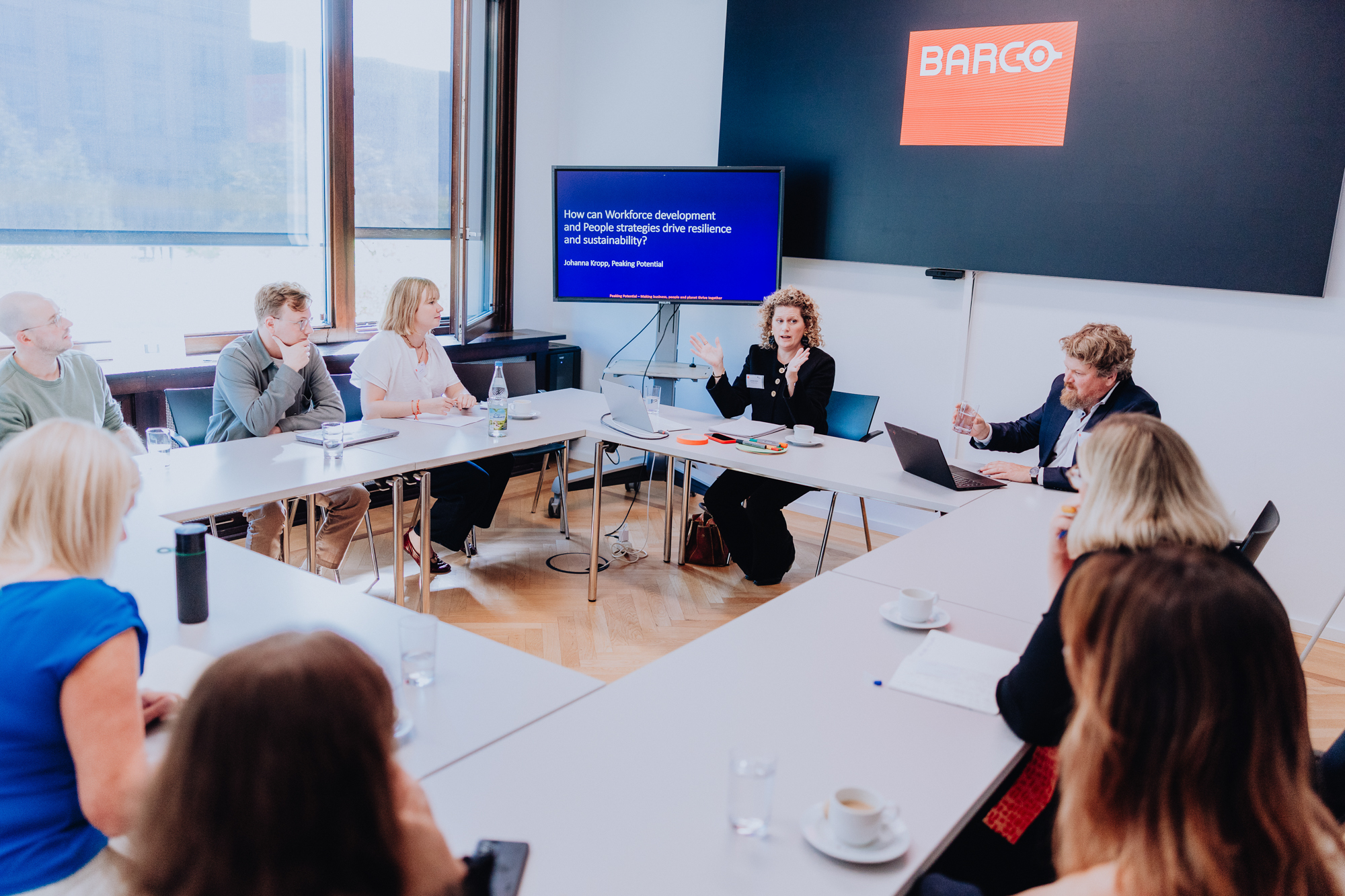
Johanna Kropp, CEO of Peaking Potential, brought an important perspective to the event: there is no successful transition plan without a strong workforce development dimension.
A company’s ability to execute its transition depends heavily on its people, their skills and their motivation and having the mandate to do so. In practice, this means bringing HR, sustainability teams and executives together to consider the workforce dimension as an integral part of the transition plan.
Second: Internal communication is the hard part
Getting HR and executives on board is necessary, but not sufficient. Explaining the transition to employees, why the company is pursuing it and what is expected of them is one of the least straightforward parts of the process.
Participants described this as both a structural and a cultural challenge: the structures need to enable people to act differently, while the culture needs to make them want to. This starts with recognising that people contribute for different reasons, and that not everyone will contribute in the same way or to the same extent. Understanding these different motivations is an important part of getting internal communication right and supporting the successful transition of the economy in our liberal democracies.
Third: Success stories can be an accelerator
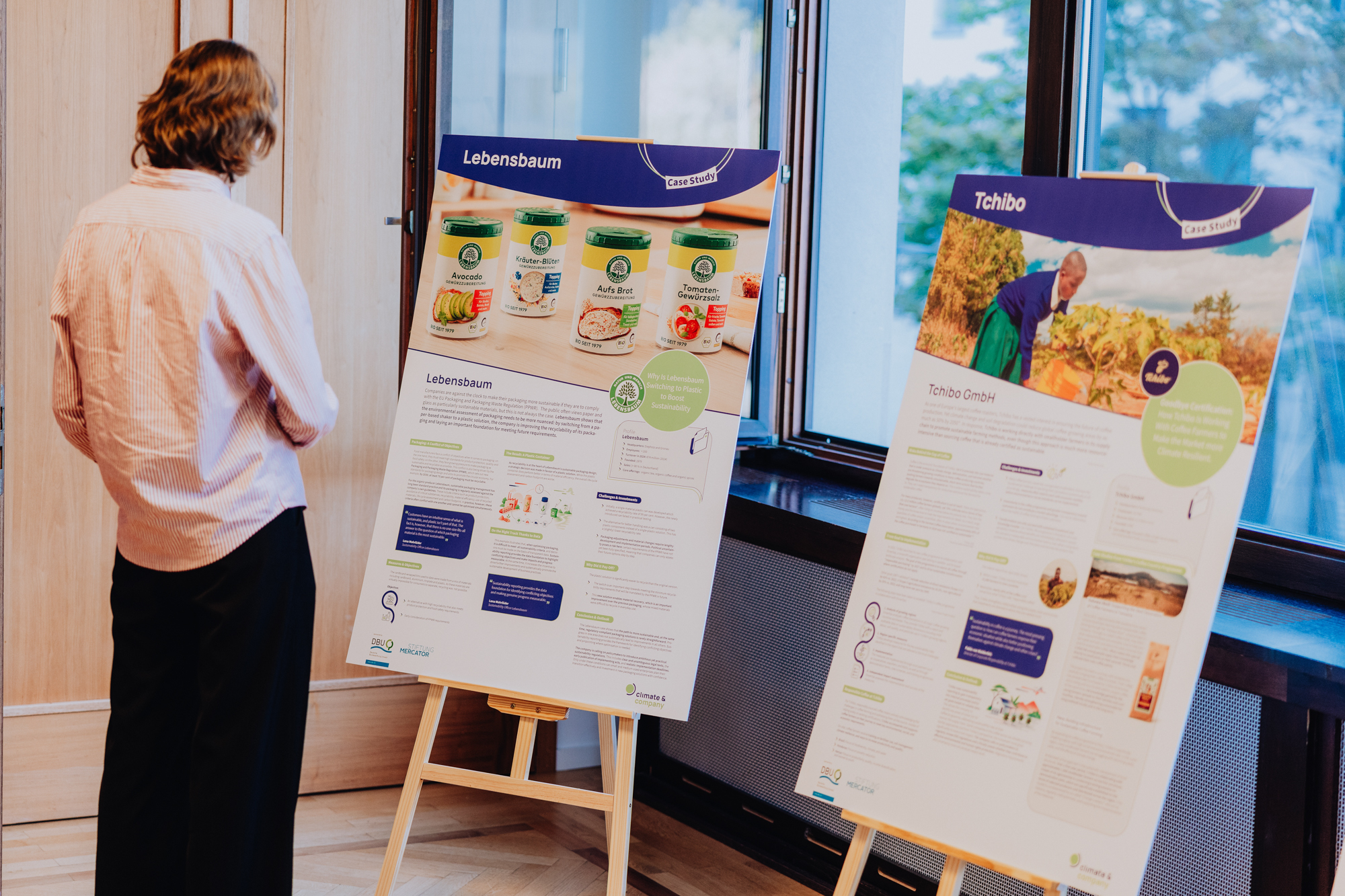
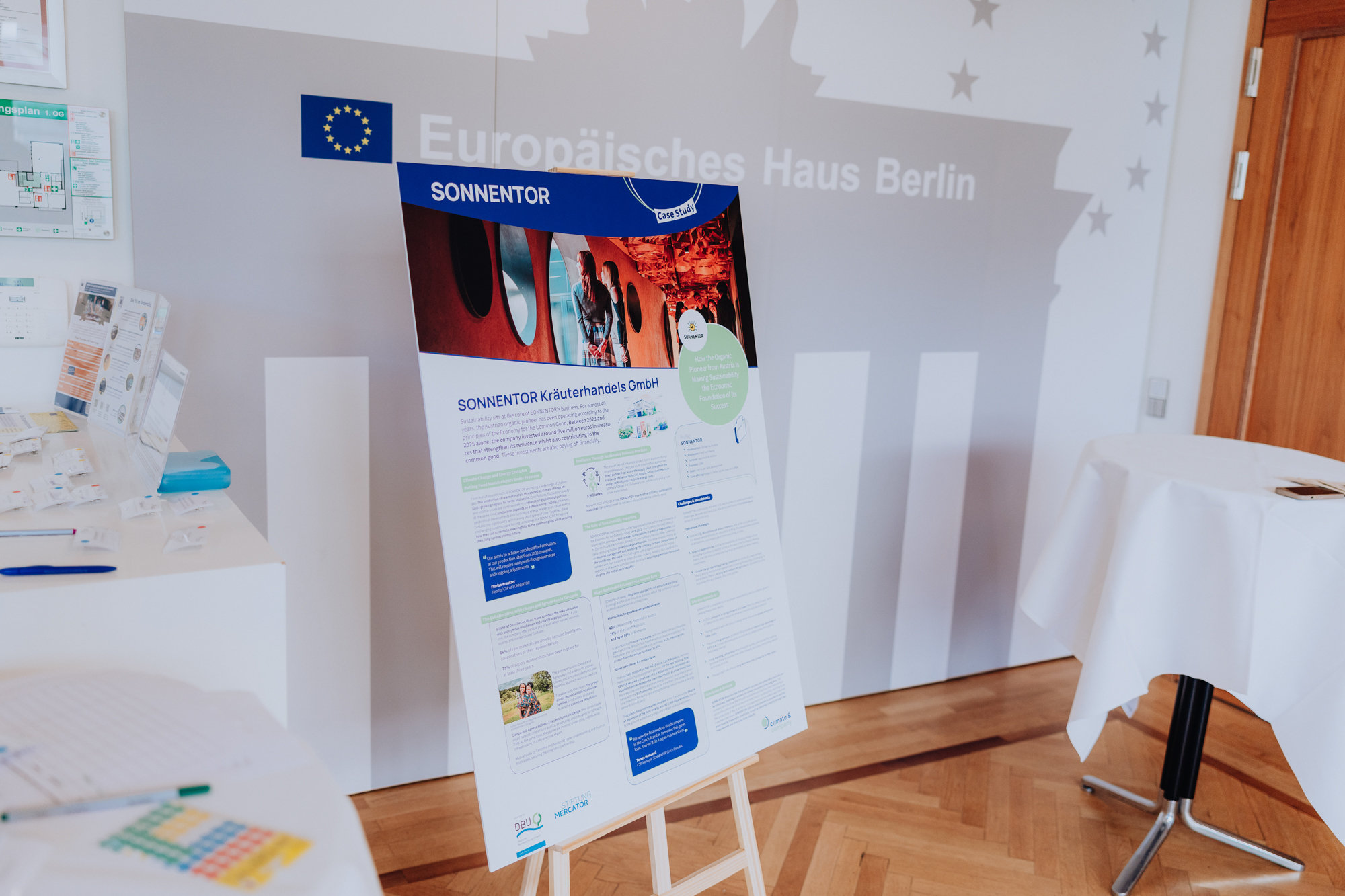
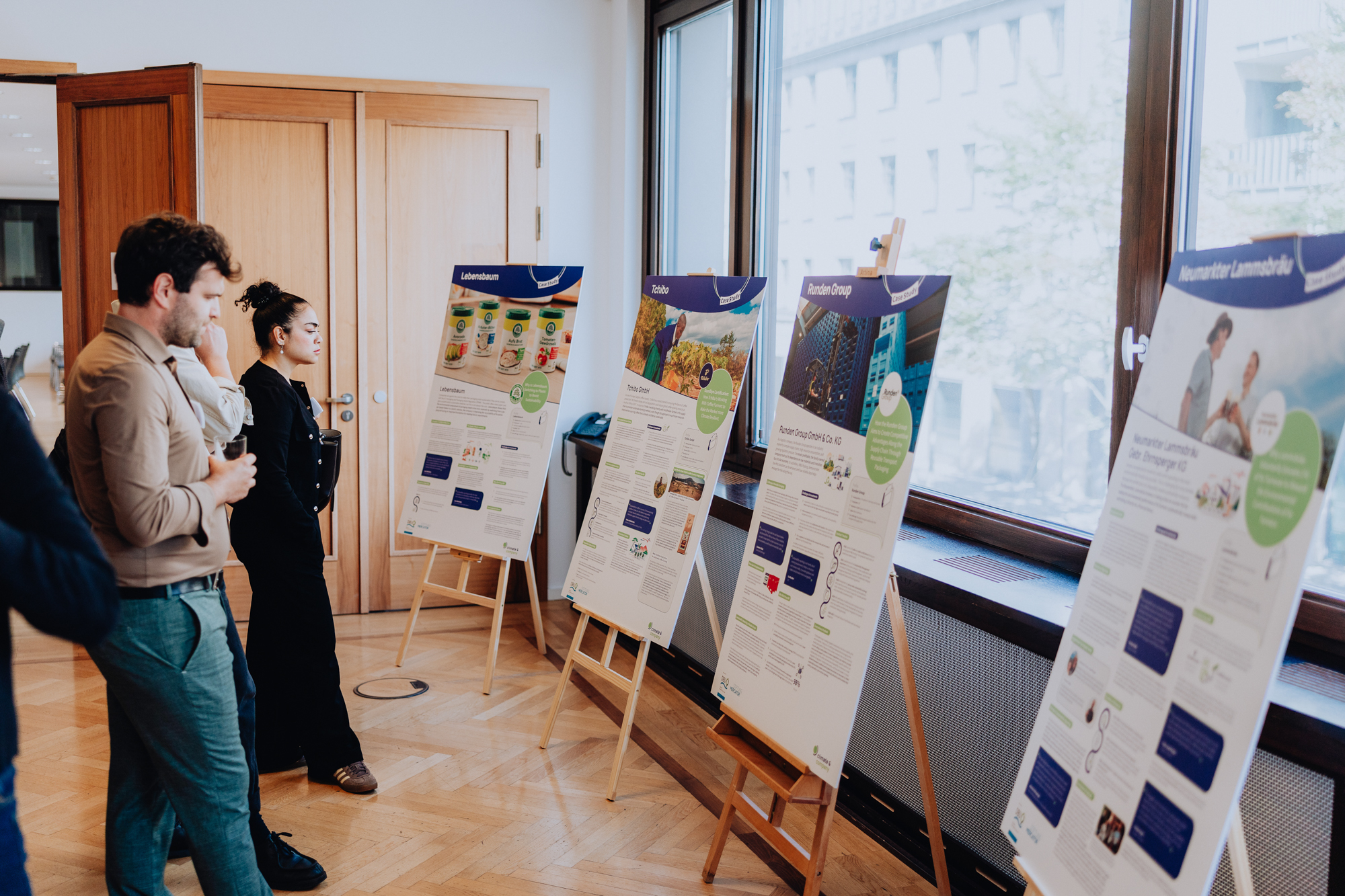
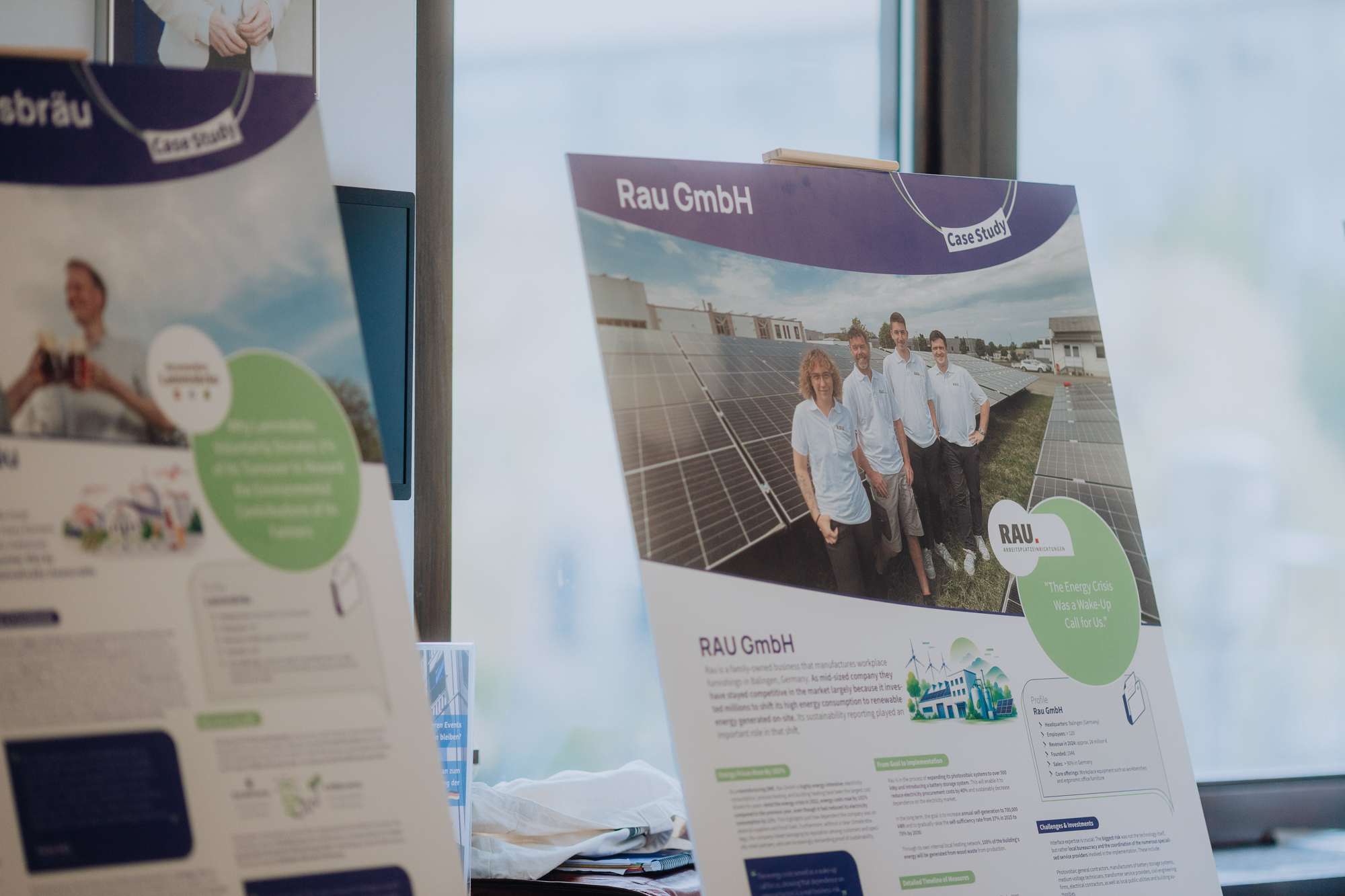
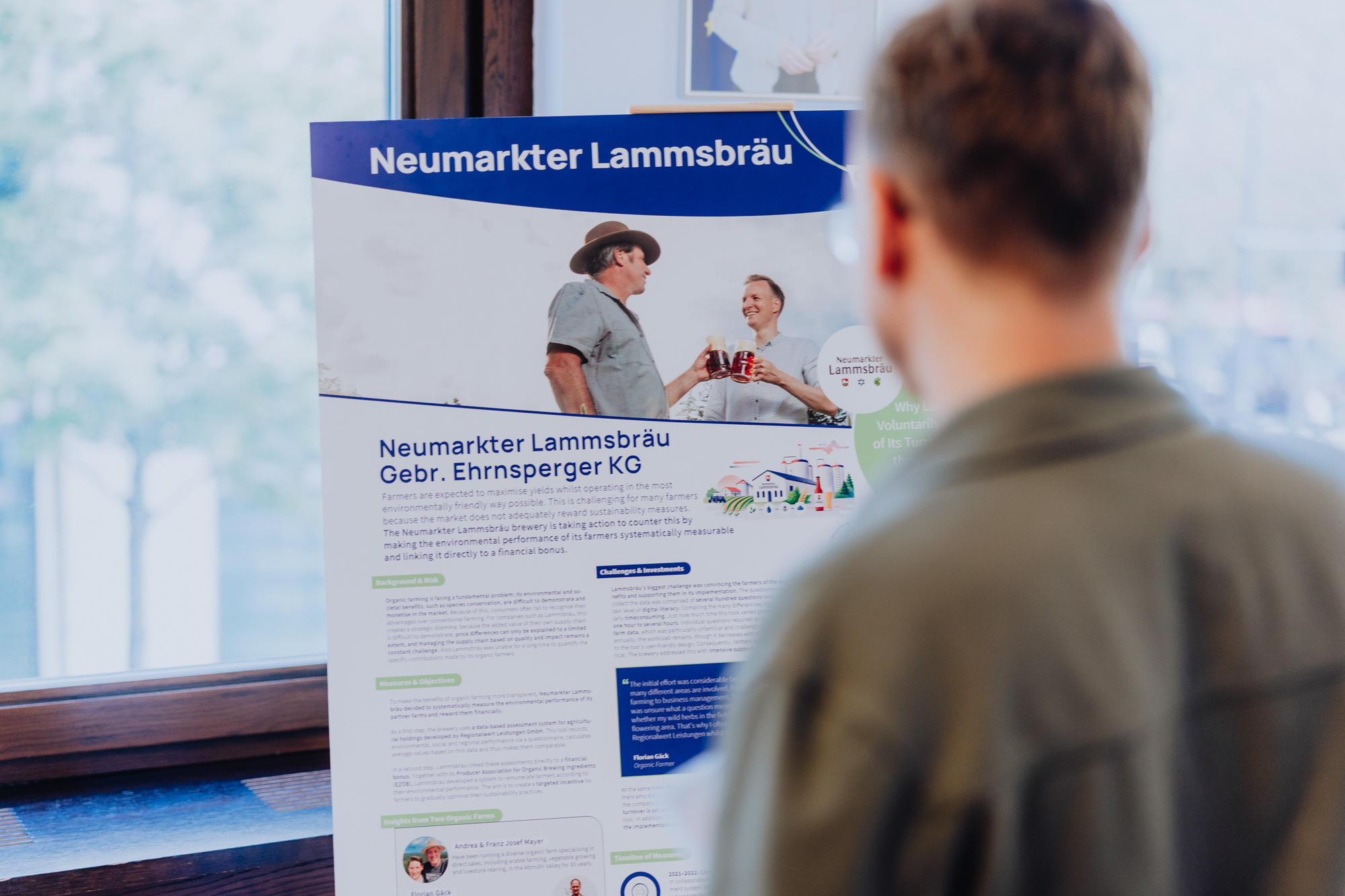
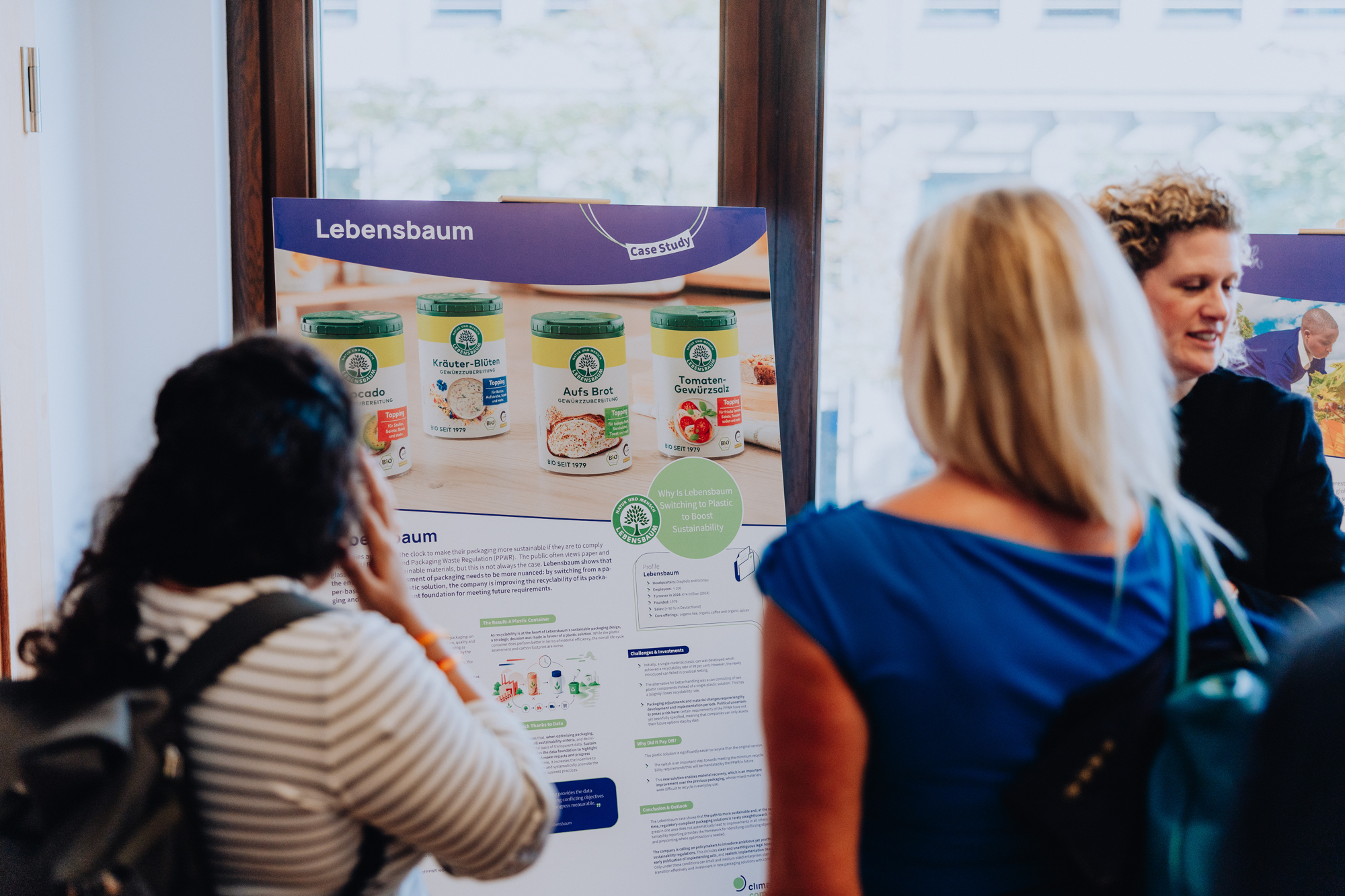
During the event, we exhibited the stories of seven companies who use sustainability reporting to their advantage. Many participants highlighted how such success stories and relatable role models can inspire other companies to take action. You can download the success stories here.
Showing how sustainability can translate into viable business cases is particularily valuable. Importantly, this does not have to stop at sustainability reporting. Other regulatory and sustainability challenges, such as the EU Deforestation Regulation (EUDR) or the Packaging and Packaging Waste Regulation (PPWR), can also create opportunities for innovation and business development when companies look beyond compliance.
← Swipe or scroll to see more →
Fourth: Change can come from the bottom up
Two company success stories discussed in detail during the event reflected a theme that recurred throughout the projects: young professionals and the next generation of family businesses are often eager to challenge the status quo and push for change. Companies should embrace this energy, build on their ideas and give the next generation the space and support to drive change within their organisations.
Fifth: Financing is becoming a strategic conversation
For SMEs, sustainability is increasingly becoming part of the conversation about future competitiveness and access to finance. One example discussed showed how an automotive supplier with otherwise solid financials can no longer be assessed independently of how it is managing the transition of its business model and industry.
At the same time, banks can play a more proactive role: not only assessing companies but also supporting SMEs in understanding their transition needs, identifying funding opportunities and acting as sparring partners along the way.
Get in touch