
Staying ahead of the market through healthy fish stocks
April 16, 2026
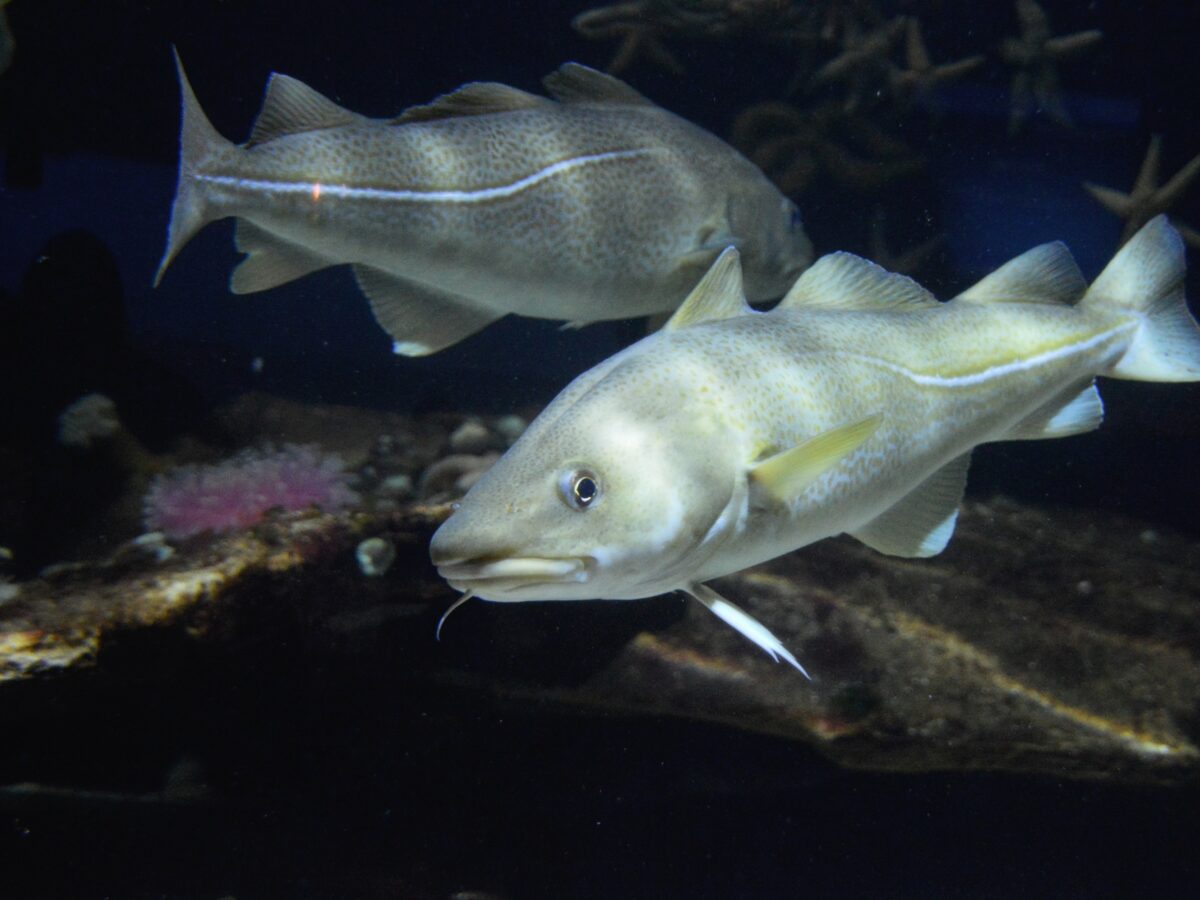
The German food and fish company followfood turned a sustainability requirment into a business case: their strict fishing policies led them to switch early from overfished Atlantic cod to Pacific cod. When competitors faced price jumps of up to 80% in 2025, followfood kept supplying fish at stable prices.
Overfishing is not only a sustainability risk but also an economic one. When fish stocks dwindle, prices skyrocket. This was also the case with Atlantic cod, which, according to analyses by the IntraFish portal, was at times 80 per cent more expensive in 2025 than in the previous year.
The case shows that sustainability reporting is not a burden, but the foundation of competitveness.
Any company that integrates planetary boundaries, such as the regenerative capacity of fish stocks, into its business strategy is practising active risk management. The precautionary principle not only safeguards ecosystems, but also stabilises catch volumes, prices and supply chains. Had the political catch quotas in 2024 been in line with scientific recommendations, the economic risk would also have been reduced. Policymakers should not view investment in sustainability as a burden, but as a risk management tool that ensures security of supply.
“Thanks to our own fisheries guidelines, we are able to plan with greater foresight. This also has economic benefits, as we are able to anticipate changes in fish stocks and consequently price trends at an earlier stage,” says Gyde Wollesen, Head of Impact at followfood.
Read the full story in our sustainability reporting case study.
Find more examples of how sustainability reporting can become a business case in our resource library.
Get in touch